Essential Dog Grooming Tools Every Pet Owner Should Have

Keeping your dog clean and well-groomed is more than just a matter of appearance. Regular grooming supports your pet’s health, comfort, and happiness. Whether you have a short-haired pup or a long-coated breed, having the right tools makes grooming easier and more effective. This guide covers the essential dog grooming tools every pet owner should have to keep their furry friend looking and feeling great.
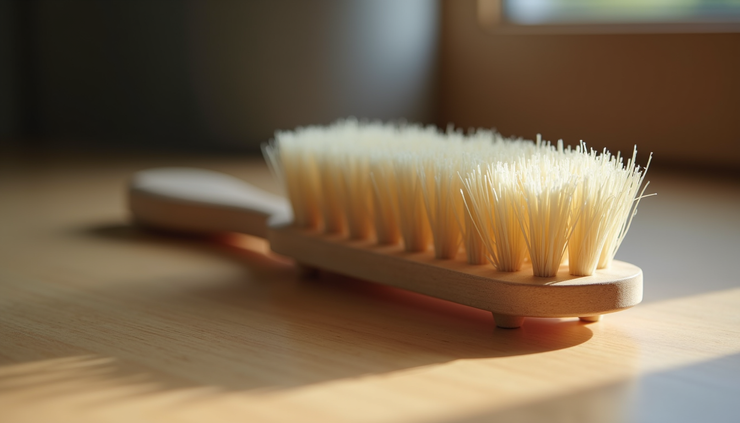
Brushes and Combs
Brushing your dog regularly removes dirt, loose hair, and prevents matting. The type of brush you need depends on your dog’s coat:
Bristle Brush: Best for short-haired dogs. It removes loose hair and dirt while distributing natural oils for a shiny coat.
Slicker Brush: Ideal for medium to long-haired dogs. It has fine, short wires close together to detangle and remove mats.
Pin Brush: Works well for dogs with longer, thicker coats. It helps smooth the coat and remove tangles.
Comb: A metal comb with both wide and narrow teeth helps remove tangles and check for fleas or skin issues.
Using the right brush regularly keeps your dog’s coat healthy and reduces shedding around the house.
Nail Clippers and Grinders
Trimming your dog’s nails is essential to prevent discomfort and injury. Overgrown nails can cause pain and affect your dog’s walking.
Guillotine Clippers: These have a hole where you place the nail and a blade that cuts when you squeeze the handle. They work well for small to medium dogs.
Scissor Clippers: Resemble scissors and are better for larger dogs with thick nails.
Nail Grinder: A rotary tool that files down nails gradually. It’s quieter and less likely to cause splitting but requires patience.
Always trim nails carefully to avoid the quick, the sensitive part inside the nail. If you’re unsure, ask a vet or groomer for guidance.
Shampoo and Conditioner
Bathing your dog keeps their skin clean and coat healthy. Choose shampoos designed specifically for dogs, as human products can irritate their skin.
Hypoallergenic Shampoo: Good for dogs with sensitive skin or allergies.
Medicated Shampoo: Helps with skin conditions like itching or infections, but use only under vet advice.
Conditioner: Keeps the coat soft and easier to brush, especially for long-haired breeds.
Bathing frequency depends on your dog’s breed and lifestyle, but generally once a month is enough unless they get dirty.

Ear and Teeth Care Tools
Ear and dental health are often overlooked but vital for your dog’s overall well-being.
Ear Cleaner: Use a vet-approved ear cleaning solution and cotton balls to gently clean your dog’s ears. Avoid using cotton swabs inside the ear canal.
Toothbrush and Toothpaste: Regular brushing prevents plaque buildup and bad breath. Use toothpaste made for dogs, never human toothpaste.
Start these routines early to get your dog comfortable with the process.
Grooming Scissors and Clippers
For dogs with thick or long coats, trimming hair around the face, paws, and sanitary areas is necessary.
Grooming Scissors: Rounded-tip scissors are safer for trimming sensitive areas.
Electric Clippers: Useful for full-body trims or shaving mats. Choose clippers designed for pets to avoid overheating.
If you’re new to trimming, watch tutorials or consider professional grooming to avoid accidents.
Towels and Dryers
After a bath, drying your dog properly prevents skin irritation and keeps them warm.
Absorbent Towels: Microfiber towels soak up water quickly and reduce drying time.
Pet Dryers: These blow warm air at a lower speed than human hair dryers, making them safer and less noisy.
Dry your dog thoroughly, especially in colder months, to avoid chills.
Final Thoughts on Dog Grooming Tools
Having the right grooming tools helps you care for your dog’s coat, skin, nails, ears, and teeth effectively. Regular grooming strengthens your bond and keeps your pet comfortable and healthy. Start with basic tools like brushes, nail clippers, and shampoo, then add specialized items as needed. If you feel unsure about any grooming step, consult a professional groomer or your veterinarian.


I wasn't specifically looking for another website, but https://infowomenspace.com had some material related to this discussion. Worth keeping as an additional reference.